


International Forum for the Study of Philosophy and Religion in Antiquity at the University of Bonn (FoSPRA Bonn)

The FoSPRA (International Forum for the Study of Philosophy and Religion in Antiquity) project is a joint initiative of apl. Prof. Dr. Athanasios Despotis, Prof. Dr. Christoph Horn and Prof. Dr. Hermut Löhr. It aims to foster the systematic study of the intersections between religion and philosophy from the early Roman Empire to the end of the "extended" Late Antiquity (1st–9th centuries CE).
FoSPRA seeks to bring together junior scholars, early-career, and senior fellows to collaborate across five defined research areas that address different dimensions of this cultural hybridization. By promoting interdisciplinary exchange, the project aims not only to generate innovative scholarly insights but also to facilitate the transfer of knowledge beyond academia.
This website is currently a work in progress. It provides information on research projects, seminars, primary sources, lectures, and related academic activities connected with FoSPRA Bonn.
Current/Upcoming Events
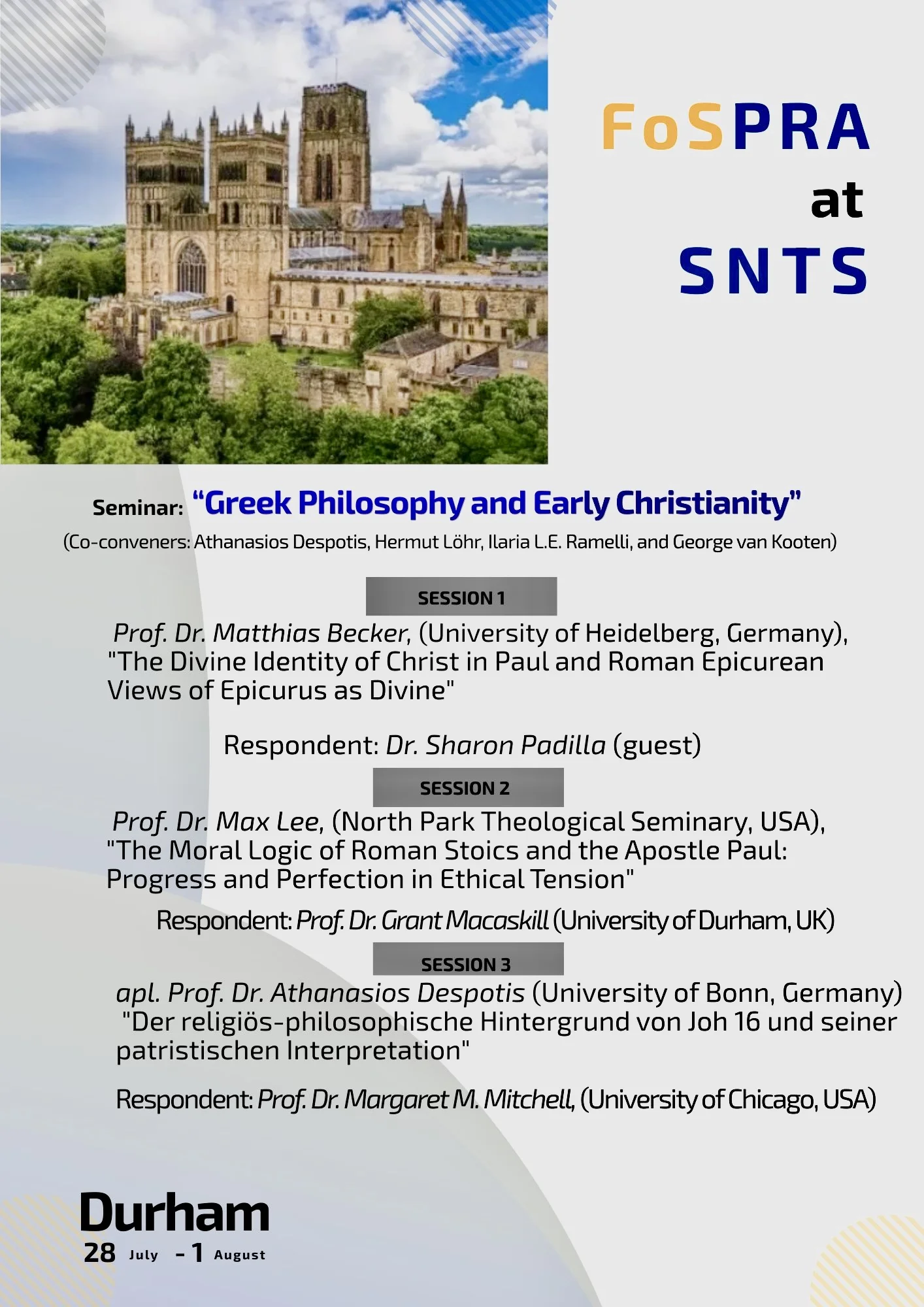
Tuesday, 28 July - 1 August 2026 – International Seminar on Early Christianity and Philosophy at the Annual Meeting of the SNTS (Durham, England). See the program here.
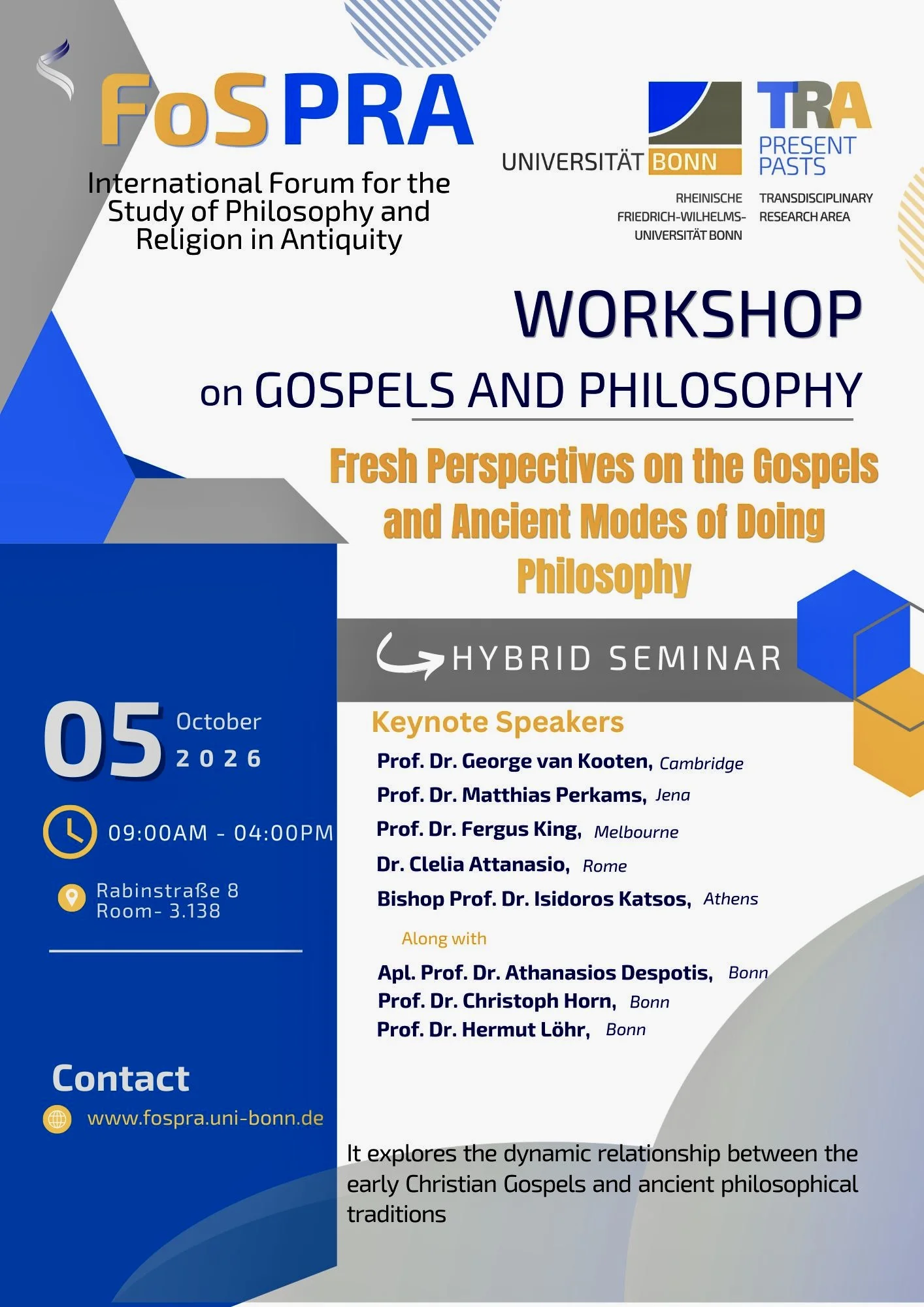
Monday, 5 October 2026 – Gospels and Philosophy: Fresh Perspectives on the Gospels and Ancient Modes of Doing Philosophy” (international workshop)
Contact: reliphil@uni-bonn.de
International Seminars

SNTS Seminar
Philosophy and Early Christianity
SBL Seminar
Religion and Philosophy in Antiquity
Research Fields
Forms of Living and Dying
This area explores ancient philosophical guidance on living and dealing with death, showing how it anticipates modern psychological approaches to self-care, meaning-making, and mental health, while placing ancient texts in dialogue with empirical research.
Rituals and Symbols
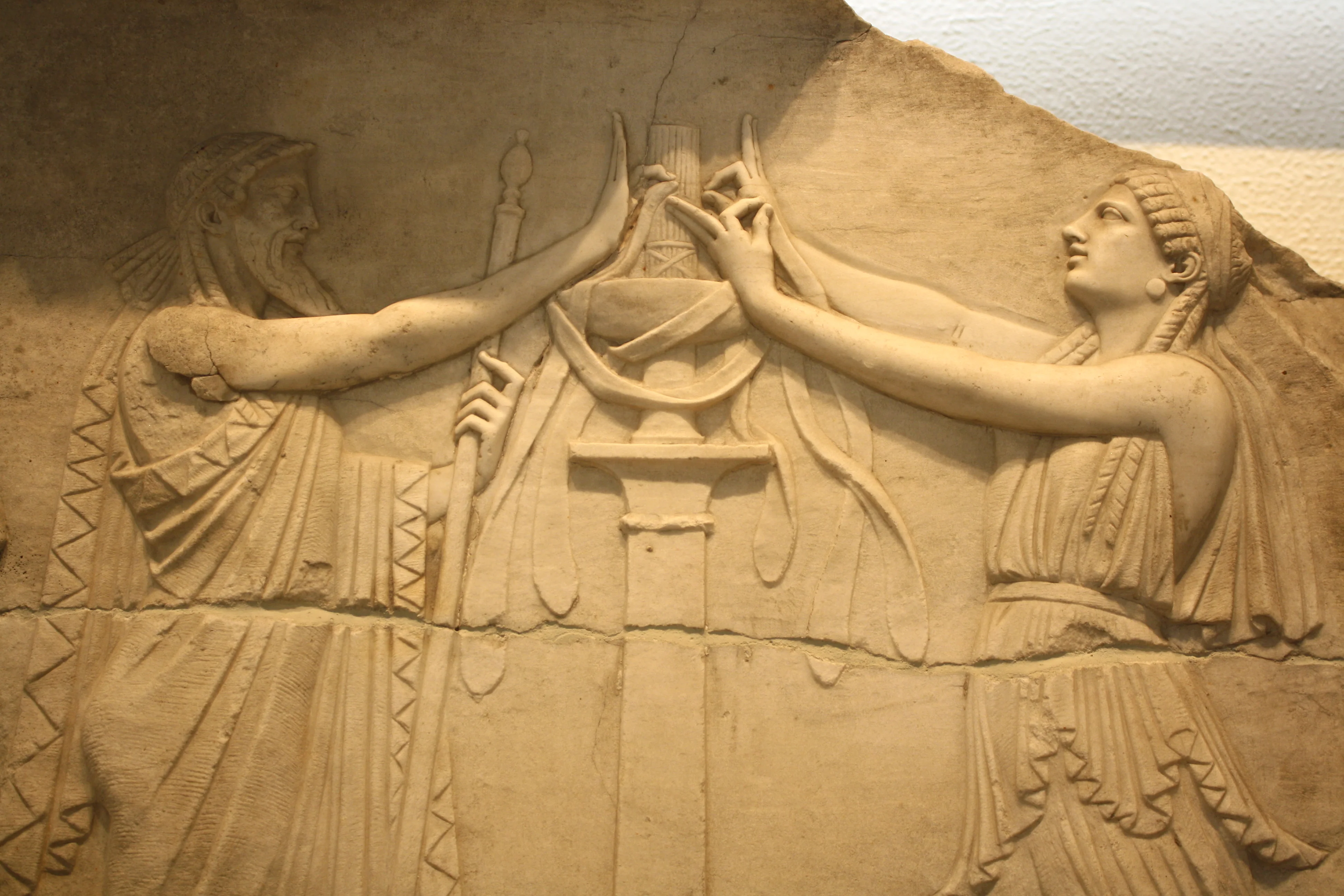
At the intersection of thought and practice, this field analyzes how philosophers interpreted religious rituals and developed symbolic and performative traditions of their own.
Social Structures, Geography and Urban Contexts
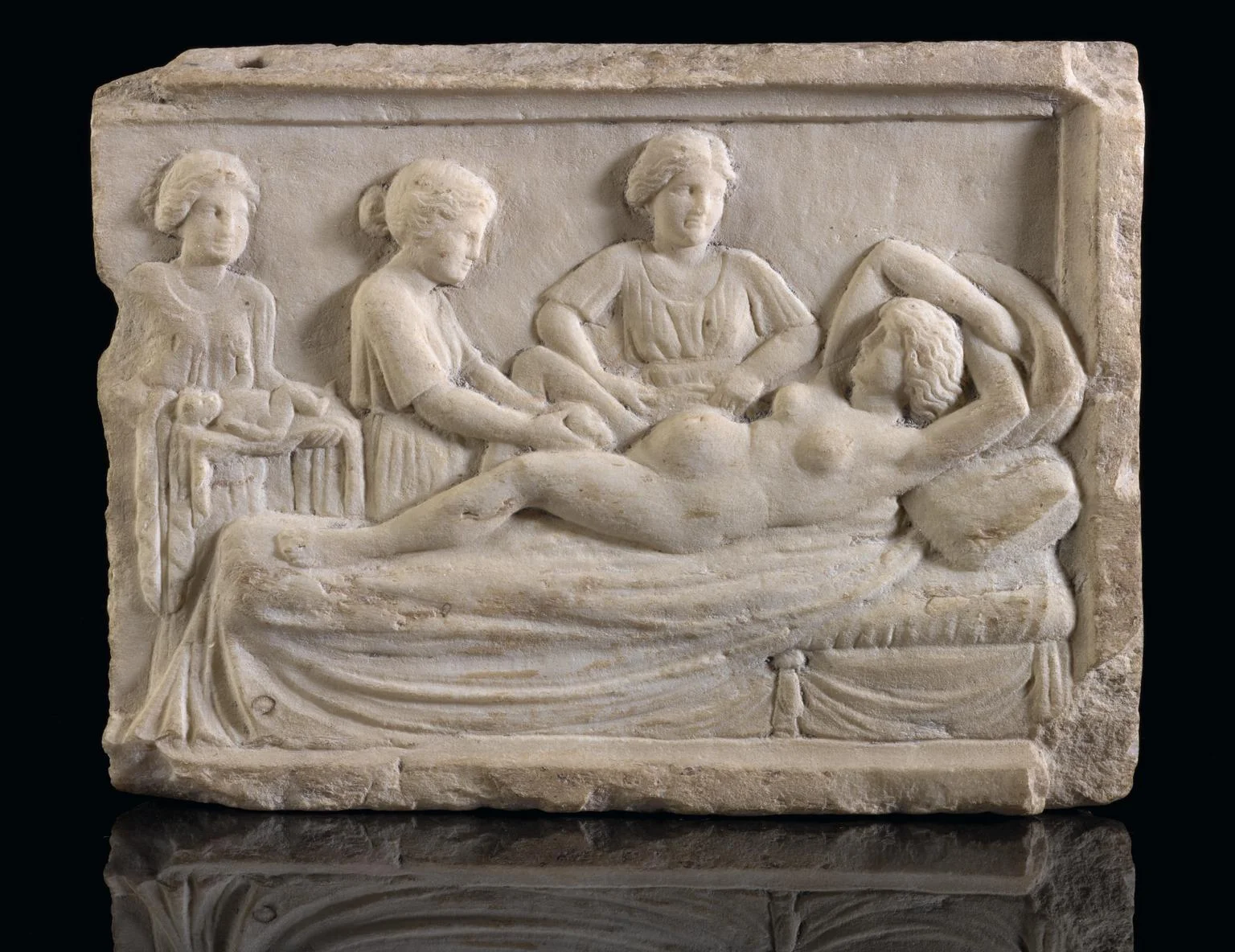
By situating philosophical schools and religious communities within their social and urban environments, diverse forms of communal life and public engagement that shaped philosophy in the early Roman Empire are examined.

Key Concepts and Argumentative Frameworks
This area explores the semantic and argumentative patterns that shape religious-philosophical discourse across traditions by focusing on key concepts such as God, truth, and conversion.

Literary Genres and Hermeneutical Practices
Through the study of literary forms and interpretative strategies, this field sheds light on how knowledge is constructed, interpreted, and transmitted at the crossroads of philosophy and religion.
Tools and Projects

Resources and Tools for Research